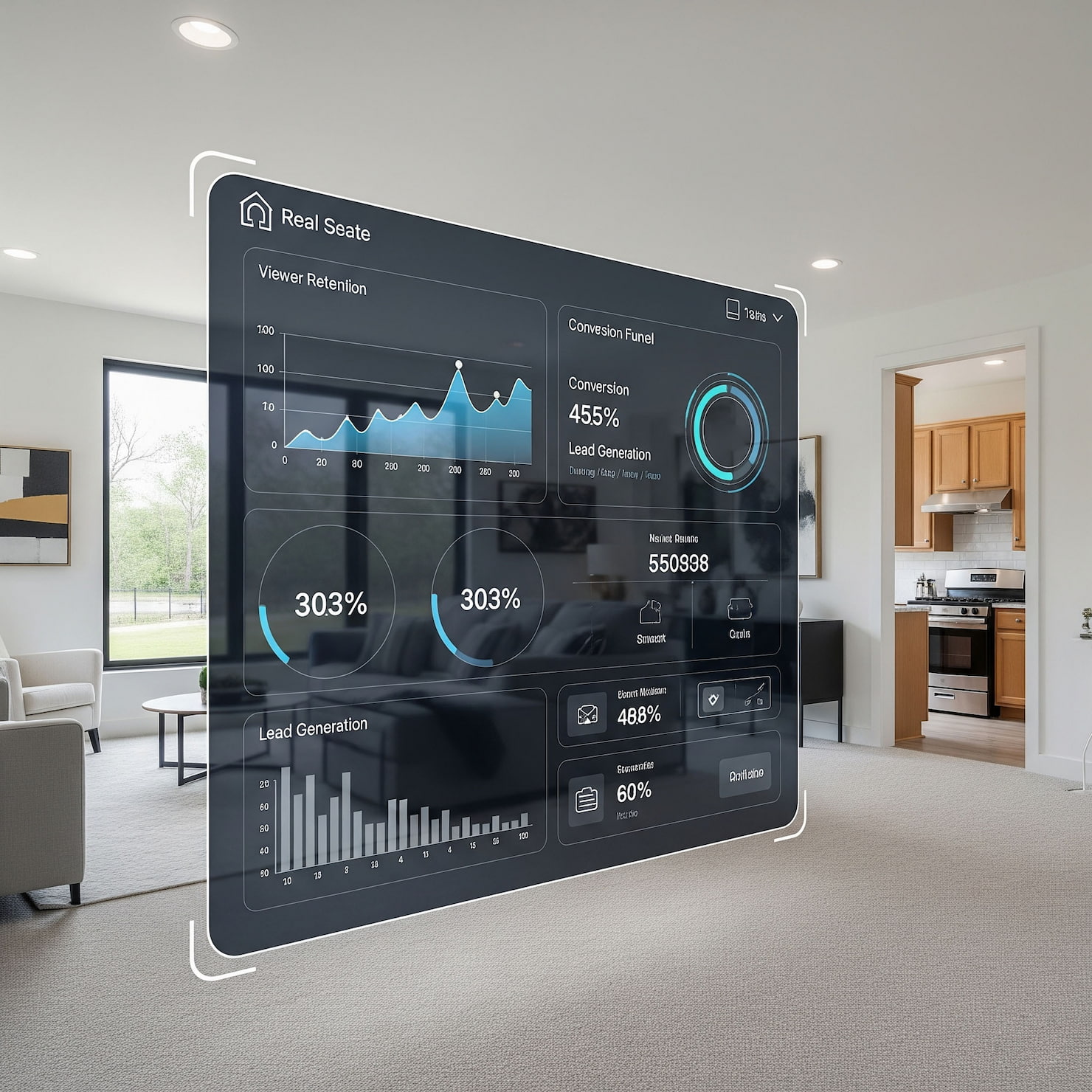
For decades, product and architectural visualization relied on traditional rendering software, producing stunning but ultimately static representations. Today, a dynamic shift is underway, fueled by the power and interactivity of game engines like Unreal Engine and Unity. These platforms, initially designed for immersive gaming experiences, are rapidly becoming indispensable tools, revolutionizing how we conceptualize, present, and interact with future products and buildings.
From Static to Stunningly Interactive:
The core advantage of game engines lies in their ability to create real-time, interactive 3D environments. This fundamental shift moves visualization beyond passive viewing. Imagine:
- Walking through an unbuilt skyscraper: Potential buyers can explore every floor, customize finishes, and experience the play of light and shadow at different times of day – all before ground is even broken.
- Interacting with a product prototype: Engineers and designers can virtually manipulate components, test ergonomics, and showcase features in a dynamic, engaging way, long before physical manufacturing begins.
- Experiencing different design options instantly: Architects can offer clients a range of material palettes, furniture layouts, and lighting schemes, allowing for real-time feedback and collaborative decision-making.
Key Benefits Driving the Revolution:
The adoption of Unreal Engine and Unity in visualization is driven by a multitude of compelling benefits:
- Unparalleled Realism: Game engines leverage advanced rendering techniques, including physically based rendering (PBR), global illumination, and realistic material simulations, to achieve photorealistic visuals that blur the line between virtual and reality.
- Immersive Experiences: The inherent interactivity allows for truly immersive experiences. Users can navigate spaces freely, interact with objects, and gain a profound sense of scale and presence that static renders simply cannot replicate.
- Real-time Iteration and Collaboration: Changes and modifications can be made and viewed in real-time, fostering faster iteration cycles and enabling seamless collaboration between designers, engineers, and clients.
- Cost and Time Efficiency: While there’s a learning curve, the real-time nature of game engines can significantly reduce rendering times compared to traditional methods, leading to faster project completion and lower costs.
- Cross-Platform Flexibility: Experiences built in Unreal and Unity can often be deployed across various platforms, including desktop, web browsers, virtual reality (VR), and augmented reality (AR) devices, offering diverse ways to engage with visualizations.
- Data Integration and Workflow Enhancement: These engines can integrate with various CAD and BIM software, streamlining workflows and allowing for the direct import and visualization of complex models.
Applications Across Industries:
The impact of game engines is being felt across a wide spectrum of industries:
- Architecture and Real Estate: Virtual tours, interactive walkthroughs, and marketing experiences that allow potential buyers to fully immerse themselves in unbuilt properties.
- Automotive: Real-time configuration tools, virtual showrooms, and immersive design reviews.
- Manufacturing: Interactive product demos, virtual training simulations, and digital twins for factory visualization and optimization.
- Product Design: Rapid prototyping and visualization of consumer goods, furniture, and industrial equipment, enabling early-stage feedback and design refinement.
- Marketing and Sales: Engaging product presentations, interactive online experiences, and virtual showrooms that captivate audiences and drive conversions.
The Future is Interactive and Immersive:
As technology continues to evolve, the role of game engines in product and architectural visualization will only become more pronounced. We can expect to see:
- Increased adoption of VR and AR: Creating even more immersive and interactive experiences for both design and presentation.
- Greater integration of AI and machine learning: Enabling intelligent environments and personalized visualization experiences.
- Cloud-based solutions: Facilitating easier access, collaboration, and scalability for visualization projects.
- Democratization of visualization: Making powerful tools more accessible to a wider range of professionals.
In conclusion, game engines like Unreal Engine and Unity are not just changing how we visualize products and architecture – they are fundamentally transforming the entire process. By offering unparalleled realism, interactivity, and efficiency, they are empowering creators, engaging audiences, and shaping the future of how we design, present, and experience the world around us. The era of static blueprints and renderings is fading, making way for a dynamic and immersive future powered by the very engines that once brought virtual worlds to life in video games.